
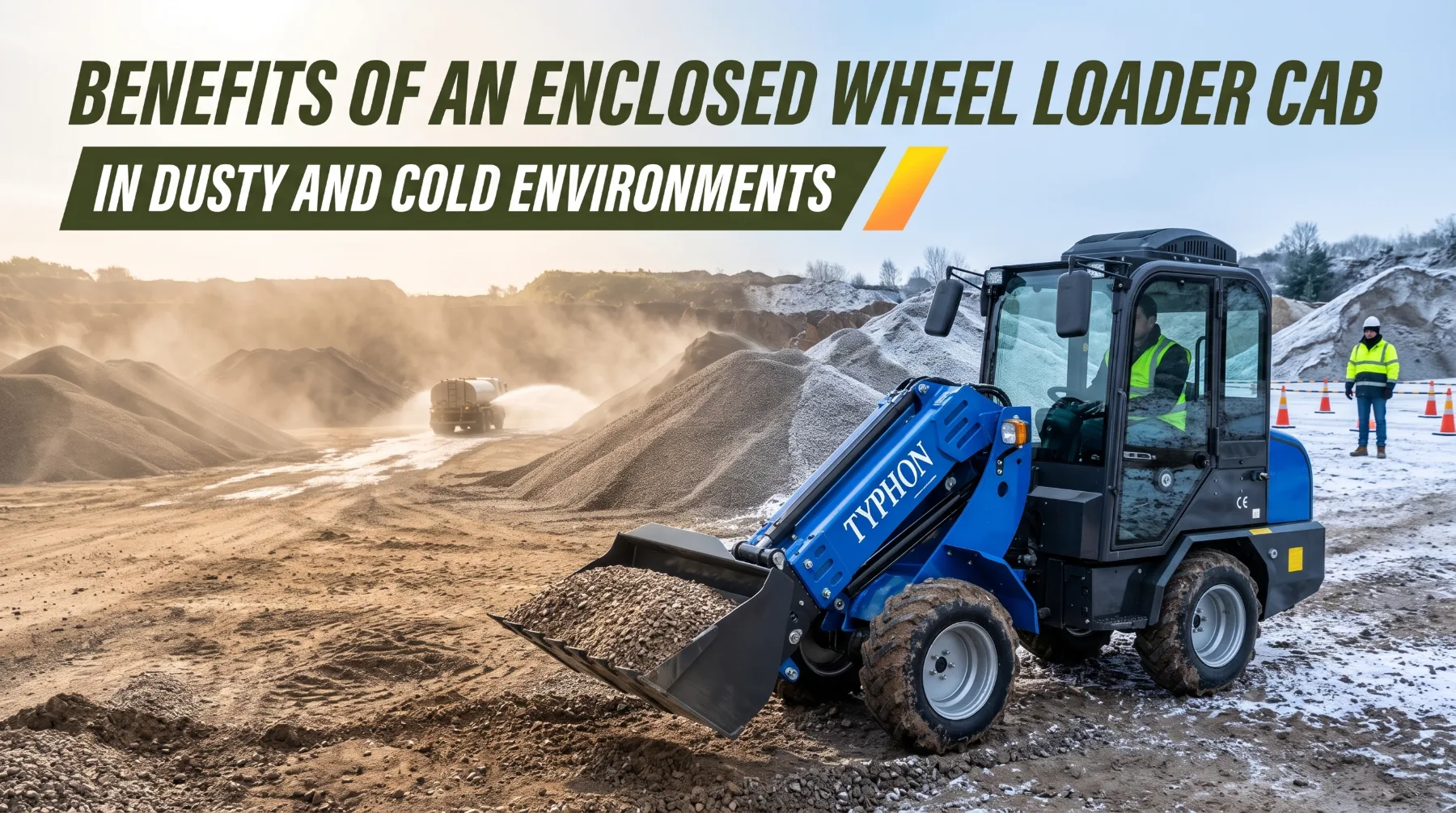
Benefits of an Enclosed Wheel Loader Cab in Dusty and Cold Environments
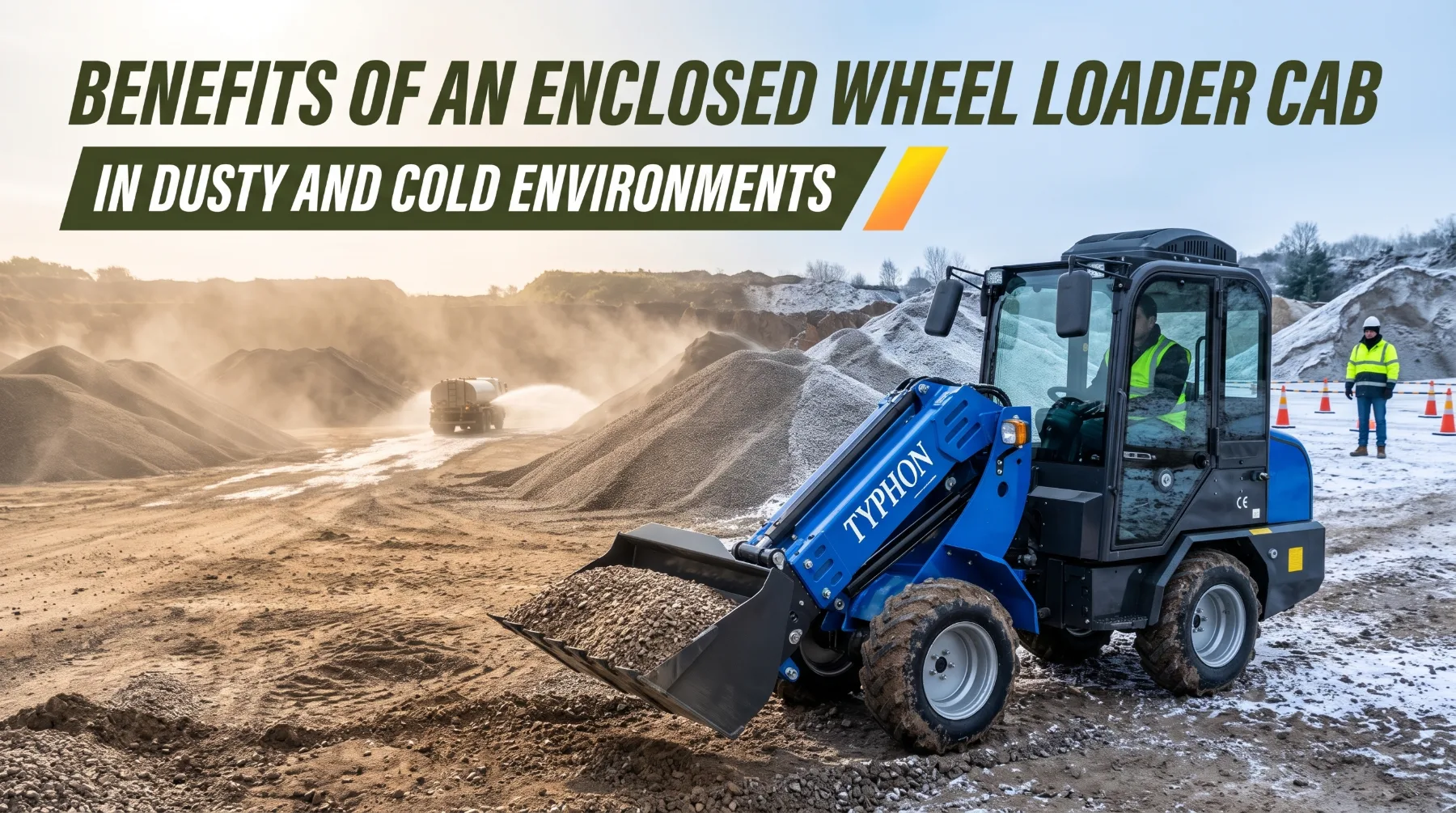
Wheel loaders often work in quarries, aggregate yards, construction sites, agricultural facilities, and material handling operations. Many of these sites are dusty in summer, frozen in winter, and windy for most of the year. Under those conditions, the operator's environment has a direct effect on how safely and productively the machine runs.
An enclosed cab separates the operator from the surrounding site. It reduces exposure to dust, cold, wind, and rain, and it supports steady focus through long shifts. The level of protection depends on the cab's design, its climate control equipment, and how well it is maintained. Knowing what an enclosed cab can and cannot do helps you choose the right loader and keep it performing year after year.
Reduce Exposure to Dust
Dust is a constant on many wheel loader sites. Loading trucks, building stockpiles, feeding crushers, and traveling across unpaved haul roads all put fine particles into the air. On an open machine, the operator breathes that air for the entire shift.
A properly sealed cab reduces the amount of airborne dust that reaches the operator. Closed doors, sealed windows, and filtered ventilation work together to keep the cab cleaner than the surrounding site. Some cabs also use positive pressurization, where filtered air is pushed into the cab so it flows outward through small gaps instead of pulling dust inward. A cleaner cab also protects interior controls, displays, and switches from buildup.
An enclosed cab does not eliminate dust exposure. Its effectiveness depends on sealing, filtration, ventilation design, and maintenance. Keeping doors and windows closed during operation, replacing filters on schedule, and repairing damaged seals all matter. In quarries, concrete recycling, and demolition work, dust can contain respirable crystalline silica, which poses serious health risks with prolonged exposure. Treat the cab as one part of a broader dust control plan that includes water suppression, haul road maintenance, and any respiratory protection required for your work and location.
Key takeaway: A well-sealed, well-maintained enclosed cab reduces dust exposure, but it should be part of a complete dust control plan, especially on sites where silica is present.
Check Seals and Ventilation
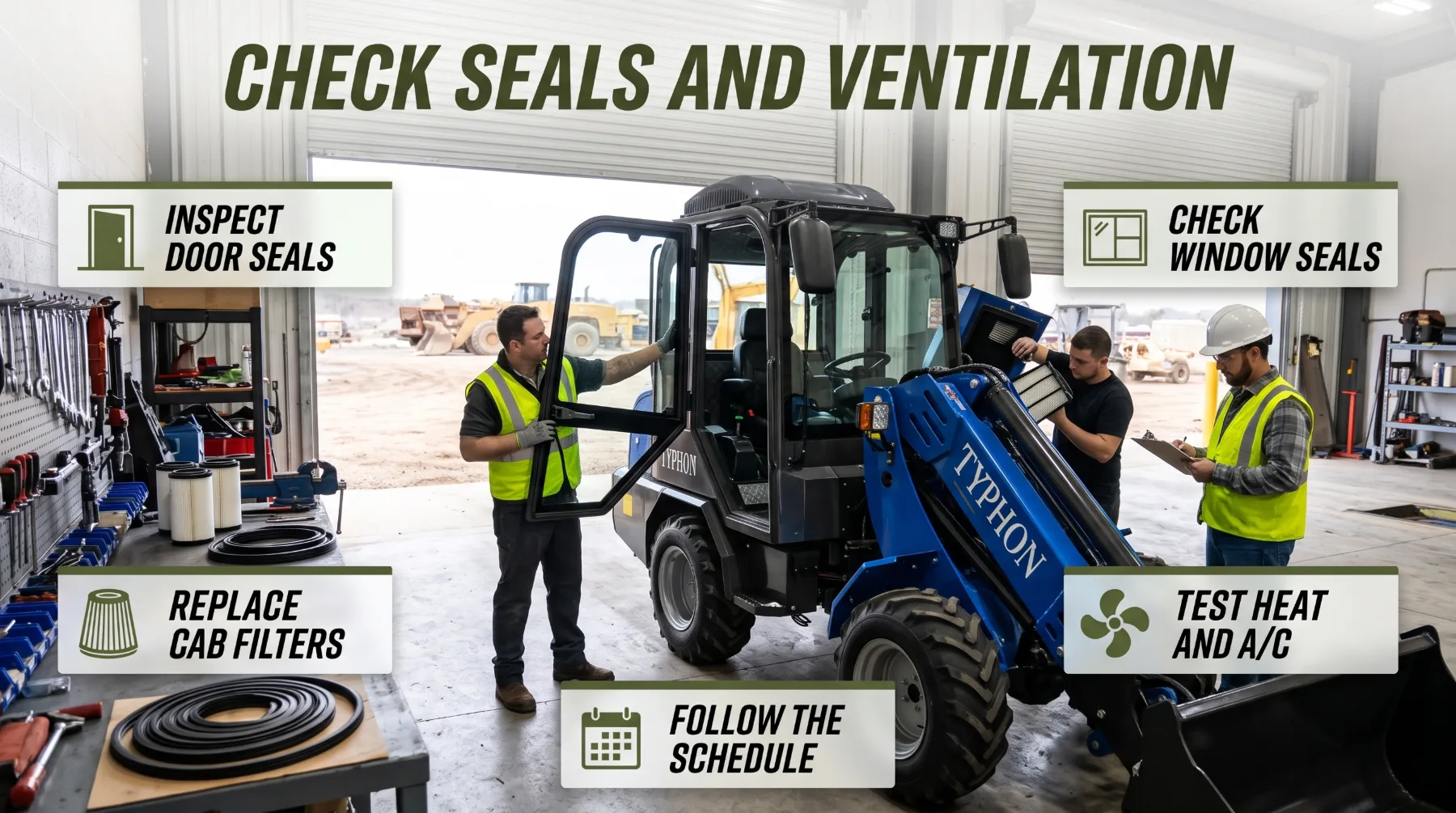
The benefits of an enclosed cab depend on regular maintenance. A cracked door seal or clogged filter can quickly let dust and cold air back in, reducing protection without the operator noticing right away. Building cab checks into routine inspections keeps the enclosure working as designed.
Inspect door seals and window seals for cracks, gaps, tears, and looseness. Make sure doors and windows close fully and latch securely. Check cab air filters, including fresh-air and recirculation filters where fitted, and clean or replace them according to the manufacturer's maintenance schedule. Dusty sites may require shorter intervals.
Review the heating and air conditioning systems as well. Confirm that airflow is steady, that defrost reaches the glass, and that vents are free of debris. Look for signs of moisture or musty odors, which can point to drainage or filter issues. Replace damaged seals and worn components promptly, and never drill, weld, or modify the cab structure, since changes can weaken the protective structure and affect its certification.
Key takeaway: Regularly inspect seals, filters, heating, and air conditioning. A well-maintained cab delivers far better protection than a neglected one.
Improve Comfort in Cold Weather
Cold affects operators more than many buyers expect. Low temperatures and wind chill slow reaction time, stiffen hands, and reduce concentration. An operator who is fighting the cold makes more corrections and tires faster, which affects both productivity and safety.
An enclosed cab limits exposure to cold wind and outdoor temperatures. When it is equipped with a suitable heating system, it provides a stable working environment during early starts, short winter days, and extended snow removal shifts. Operators can wear lighter layers that don't restrict movement, which makes controls easier to use accurately.
Heating also serves a safety function. Defrost keeps the windshield and side glass clear of frost and condensation, which can build up quickly when a warm operator enters a cold cab. Before purchasing, confirm whether heating is standard, how defrost airflow is directed, and whether it reaches all the glass the operator relies on. Follow the manufacturer's cold-weather procedures for warm-up, fluids, and battery care so the machine and cab systems perform as intended.
Key takeaway: A heated enclosed cab keeps operators alert and glass clear in cold weather. Verify heating and defrost coverage on the exact model you plan to buy.
Support Better Visibility
Visibility is one of the most important safety factors on a wheel loader. Operators need clear sightlines to the bucket, the loading area, the tires, and the travel path, along with awareness of trucks and people moving around the site. Loaders often reverse frequently, which makes visibility on every side important.
A well-designed enclosed cab uses large glass areas and slim pillars to give operators broad views of the work area. Because the glass stays protected from direct rain and wind, operators can keep their attention on the bucket instead of shielding themselves from the weather. In winter, heated and defrosted glass maintains that view when an open station would leave the operator squinting through blowing snow.
Glass only helps when it is clean and clear. Keep windows free of dust, mud, and ice, and use washer fluid rated for cold temperatures. Check that wipers, mirrors, work lights, and cameras or alarms are working before each shift. Remove frost and snow from all glass before moving the machine, and never operate with an obstructed view. On busy sites, a traffic management plan and trained spotters remain essential.
Key takeaway: An enclosed cab supports broad, weather-protected visibility, but clean glass, working wipers, mirrors, and lighting are still required for safe operation.
Reduce Wind and Weather Discomfort
Rain, sleet, snow, wind, and blowing debris make open-canopy operation uncomfortable and distracting. Wet clothing, cold hands, and grit in the eyes pull an operator's attention away from the bucket and the people nearby. Over a full shift, that discomfort adds up to slower cycles and more mistakes.
An enclosed cab provides a physical barrier against these conditions. Operators stay dry and protected, so they can focus on loading accuracy, smooth travel, and awareness of site traffic. Crews can also keep working through weather that would otherwise shorten the day, which helps keep projects and material deliveries on schedule.
Enclosed cabs can also reduce noise from the engine, wind, and surrounding equipment, depending on their design. That can make radio communication easier and the workday less tiring. Noise levels still vary by machine and site, so follow your hearing conservation program and use hearing protection where it is required.
Key takeaway: An enclosed cab shields operators from wind, rain, snow, and debris, helping them stay focused and productive through changing weather.
Compare Cab Design Before Buying
Not every enclosed cab offers the same level of comfort or protection. Before purchasing a wheel loader, evaluate the cab as carefully as the engine, bucket capacity, and lifting performance. The operator spends every working hour in that space.
Start with access and fit. Check door size and swing, step placement, and handholds that support three points of contact during entry and exit. Sit in the seat and assess adjustment range, suspension, and lumbar support. Confirm that controls, switches, and climate settings are easy to reach without leaning or looking away from the work. Also confirm the location of the emergency exit and the protective structure ratings the manufacturer specifies.
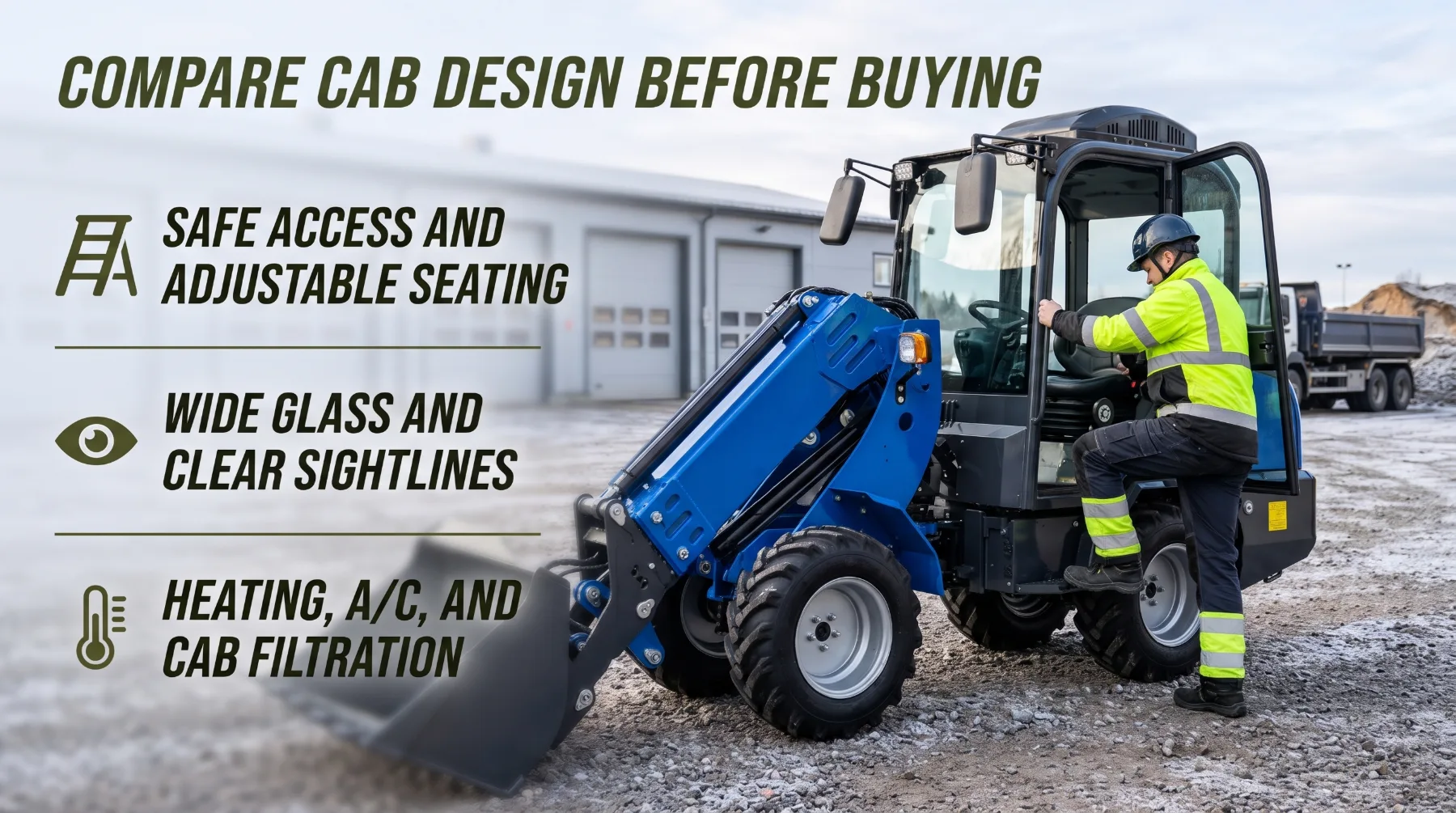
Then look at environmental features. Review glass area, pillar placement, and sightlines to the bucket and rear of the machine. Ask whether heating and air conditioning are standard or optional, what type of cab air filtration is used, and whether the cab is pressurized. Request the details in writing for the exact configuration, then test the cab during a demonstration with the operators who will run the machine daily.
Key takeaway: Compare access, seating, controls, visibility, climate control, and filtration on each loader, and confirm the fit through an operator-led demonstration.
Conclusion
An enclosed wheel loader cab can improve operator comfort while reducing exposure to dust, wind, rain, and cold weather. Heating, air conditioning, and defrost systems help maintain a comfortable working environment and keep windows clear during changing conditions. On dusty jobsites, effective cab sealing and filtration can also reduce airborne dust entering the operator's space, supporting a cleaner working environment. These benefits depend on cab design, filter quality, proper sealing, and consistent maintenance. When evaluating a wheel loader, consider cab protection alongside engine performance, bucket capacity, and overall machine specifications. Compare sealing quality, filtration systems, window visibility, ventilation, climate control, seating, and control layout to determine whether the cab meets your operating requirements. Check how easily filters can be replaced and inspect doors, seals, and windows for potential maintenance concerns. Buyers should also confirm the included cab features in writing for the exact machine configuration rather than assume every model offers the same equipment. A practical demonstration gives operators an opportunity to assess visibility, comfort, climate control, and ease of operation during realistic working conditions. Evaluating these details helps you select a wheel loader that supports operator well-being, dependable performance, and consistent productivity throughout the working day.
Frequently Asked Questions
Does an enclosed cab keep all dust out?
No. An enclosed cab reduces dust exposure, but its effectiveness depends on sealing, filtration, ventilation, and regular maintenance. On sites with silica dust, use the cab as part of a broader dust control plan.
Is heating important for a wheel loader cab?
Yes. Heating improves operator comfort in cold environments and supports defrost, which keeps glass clear of frost and condensation for safe visibility.
What should operators inspect on cab seals?
Check door and window seals for cracks, gaps, tears, looseness, and wear. Confirm that doors and windows close and latch fully, and replace damaged seals promptly.
Does an enclosed cab improve visibility?
It can provide broad, weather-protected window coverage. Clean glass, working wipers, mirrors, proper lighting, and cleared frost or snow are still necessary for safe operation.